Public trust in journalism is undermined when it is open to manipulation by vested interests or can be seen to be open to manipulation
The Press Ombud has found that the Sunday Times, Citizen and Biznews broke their own industry media by taking a trip to Israel funded by the SA Jewish Board of Deputies – and not disclosing it in reporting on their visit.
In an embarrassing ruling for media in South Africa, deputy press ombud Franz Kruger ruled that the ommision of the trip sponsorship during the reporting was deliberate, and could not have been an error. He also remarked on the half-hearted attempts at apologies once details of the trip became public.
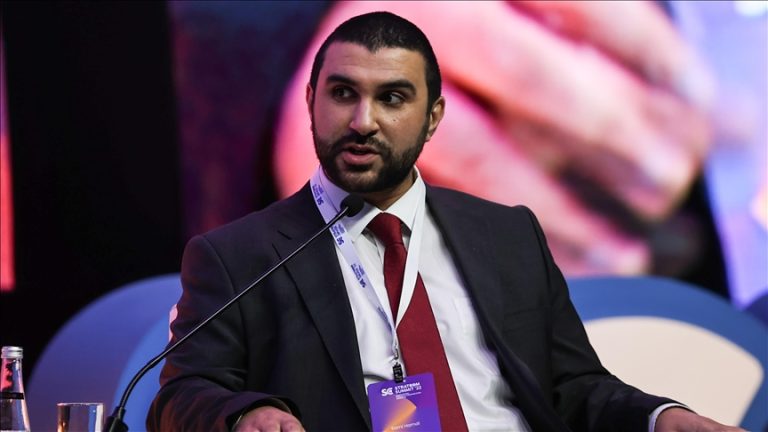
Details of the secret visit by South African journalists leaked about six months. Hassen Lorgat, a well-known media analyst and social media justice activist, reported the matter Ombud as the he believed the trip was a breach of the Press code which requires paid-for trips to be declared in articles following the visit.

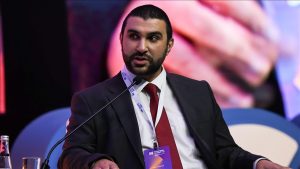
The core of the complaint by Lorgat (above) was that neither The Citizen nor Sunday Times disclosed that their journalists were sponsored by the SAJBD. Lorgat argued that against the back drop of the genocide, both newspapers were not only in breach of the code, but also in violation of basic media principles and ethics.
As BizNews is not a member of the Press Council and not subject to its jurisdiction, it was excluded from the ruling.
On April 20, Sunday Times published an article in its print edition and online an opinion piece by S’thembiso Msomi, Editor-at-Large, titled ‘Two sides of a tragedy’. It’s lead read: ‘On a trip to Israel and the occupied West Bank, S’thembiso Msomi speaks to Israelis and Palestinians in search of answers to the seemingly endless suffering”.
The Citizen, on May 6, published a special feature by its journalist, Itumeleng Mafisa, after his trip to Israel: ‘ “I don’t believe we pray to the same God’ – The heartbreaks at the centre of the Gaza conflict’.
Sunday Times and The Citizen responded to Lorgat’s complaint in what he described as a business-as- usual manner, implying that they did not see it as a serious or gross violation of the code. BizNews, whilst outside the ambit of the Press Code, did ‘fix’ their ‘error’ but failed to show they were asked to do so.
The two newspapers apologised separately but the contents were substantially similar.
The reponse: The Citizen and Sunday Times, confirmed that when the articles were published they had omitted to say who had sponsored the cost of the trip, in violation of the code, which ‘prescribes that publications should clearly indicate when an outside organisation has contributed to the cost of newsgathering.’ They then wrote that the ‘trip was in fact sponsored by the SA Board of Jewish Deputies.’
For many, matters were made worse as it happened at the height of the repression and violence against Palestinian civilians as part of the onging genocide. The Israeli regime and its supporters have been on a media campaign to engage journalists through visits to occupied Palestine and manage the exposure of journalists as they attempt to change the narrative on the genocide.
So, many believe that in that climate it was clear that the media knew that accepting sponsoring to report on a genocide was wrong, but still went along with the ruse without making clear that their impartiality was compromised by the funding and the close management of access to information during the trip.
The breach arose from arose Section 2 of the Press Code which reads:
The media shall:
2.1 not allow commercial, political, personal or other non-professional considerations to influence reporting, and avoid conflicts of interest as well as practices that could lead readers to doubt the media’s independence and professionalism;
2.2 not accept any benefit which may influence coverage;
2.3 indicate clearly when an outside organisation has contributed to the cost of newsgathering; and
2.4 keep editorial material clearly distinct from advertising and sponsored events.
As pointed out by Franz Kruger, the Deputy Press Ombud, of specific relevance is clause 2.3, which requires members to disclose any sponsorship.
It is clear that the newspapers were in breach of clause 2.3 when the reports were first published.
“Public trust in journalism is undermined when it is open to manipulation by vested interests or can be seen to be open to manipulation. Reporting simply cannot be for sale and sponsorship is rarely, if ever, disinterested,” wrote Kruger.
He further found the “failure to disclose the SAJBD sponsorship by the respondents was a serious breach with importantramifications for the relationship of trust the media must maintain with audiences.”
On the allegation by Lorgat that there was a conspiracy between the two titles, together
with BizNews, to hide the financial support by the SAJBD, Kruger found that though “it is surprising that three publishers all failed to mention the sponsorship, it is in my view not
enough to prove there was an active conspiracy.”
However he posits whether the combined experience of the editors involved prove that the omission cannot have been an error but must have been deliberate, as Lorgat argued.
He does concede that although both newspapers published corrections and apologies when the matter was brought to their attention, the prominence of the explanation and apology needed consideration.
And due to the breach being a serious one, “going beyond the minor errors of fact or spelling that fall under Tier 1 in the hierarchy of sanctions”, Kruger ruled it to fall under Tier 2.